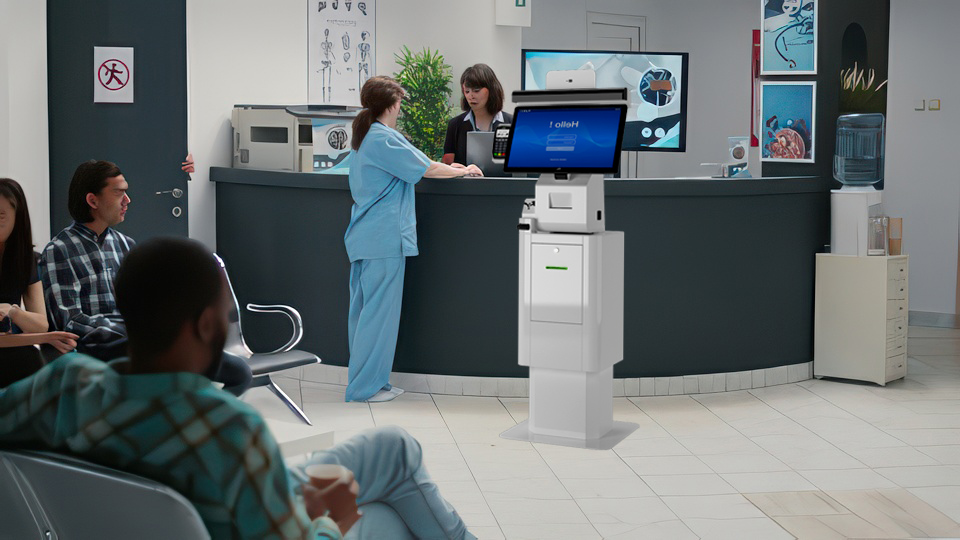
In busy hospitals and clinics, long wait times at manual check-in desks have long been a pain point for both patients and staff. Healthcare patient check-in kiosks solve this critical challenge by automating registration processes, reducing administrative burdens, and putting control back in the hands of patients—all while upholding strict healthcare data security standards. As the demand for efficient, patient-centric care grows, these kiosks have become a must-have for modern medical facilities worldwide.
Why Healthcare Facilities Need Patient Check-In Kiosks
1. Cut Wait Times, Boost Patient Satisfaction
Traditional check-in often involves waiting in lines to fill out paper forms, verify personal information, or confirm appointments—leading to frustration, especially for patients with mobility issues or urgent care needs. Patient check-in kiosks eliminate these delays:
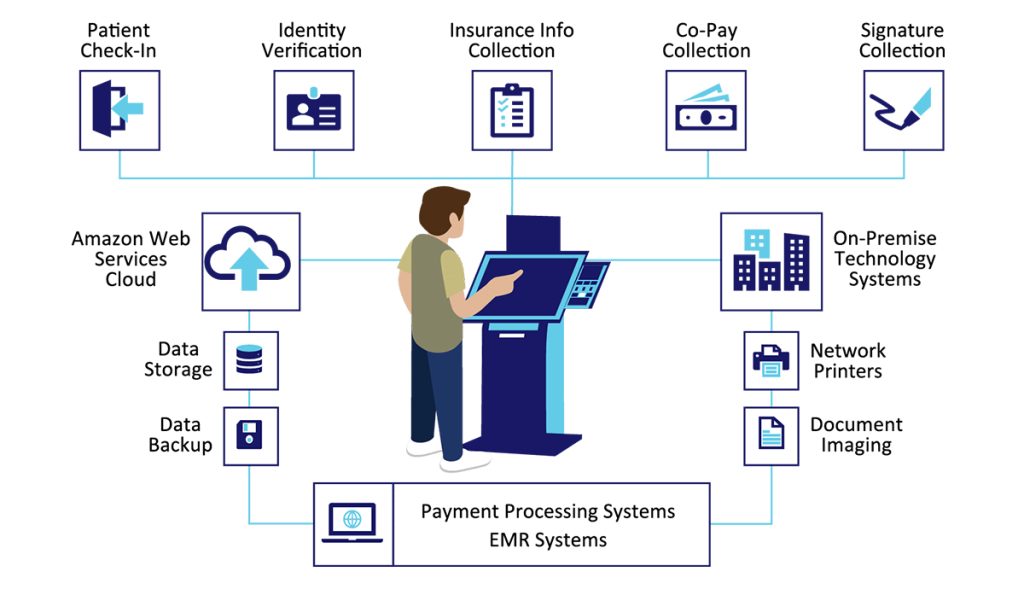
·Self-Service Speed: Patients can complete check-in in 2–3 minutes by scanning their insurance cards, entering appointment IDs, or using biometric verification (e.g., fingerprint scans) to pull up their records instantly.
·Pre-Check-In Flexibility: Many kiosks integrate with hospital portals, letting patients fill out intake forms (medical history, consent forms) online ahead of their visit—so they only need to confirm details at the kiosk, saving even more time.
·Reduced Anxiety: Clear, user-friendly touchscreens with step-by-step prompts (and multi-language support, including English, Spanish, French, etc.) reduce confusion, making the check-in process less stressful for diverse patient groups.
2. Lighten Staff Workloads, Improve Operational Efficiency
Medical staff spend hours daily on repetitive check-in tasks—verifying insurance eligibility, updating patient records, and scheduling follow-ups—that could be redirected to patient care. Kiosks transform this dynamic:
·Automate Administrative Tasks: Kiosks automatically validate insurance coverage in real time, update electronic health records (EHRs) with new patient data, and send appointment reminders via SMS/email—no manual data entry required.
·Optimize Staff Allocation: Front-desk teams can shift focus to complex tasks (e.g., assisting elderly patients, resolving billing questions) instead of processing routine check-ins, improving overall clinic workflow.
·Reduce Errors: Manual data entry often leads to typos or missing information (e.g., incorrect insurance details). Kiosks pull data directly from EHRs or scanned documents, minimizing mistakes that cause billing delays or care disruptions.
3. Uphold Healthcare-Grade Security & Compliance
Healthcare data (protected under HIPAA in the U.S., GDPR in the EU, and similar regulations globally) requires the highest level of security—and patient check-in kiosks are built to meet these standards:
·End-to-End Encryption: All patient data (names, medical histories, insurance info) is encrypted during transmission and storage, preventing unauthorized access.
·Role-Based Access: Only authorized staff can access sensitive data via the kiosk’s backend system, with audit trails tracking every data entry or modification.
·Secure Document Handling: Kiosks with integrated scanners let patients digitize insurance cards or IDs without exposing physical documents, reducing the risk of loss or theft.
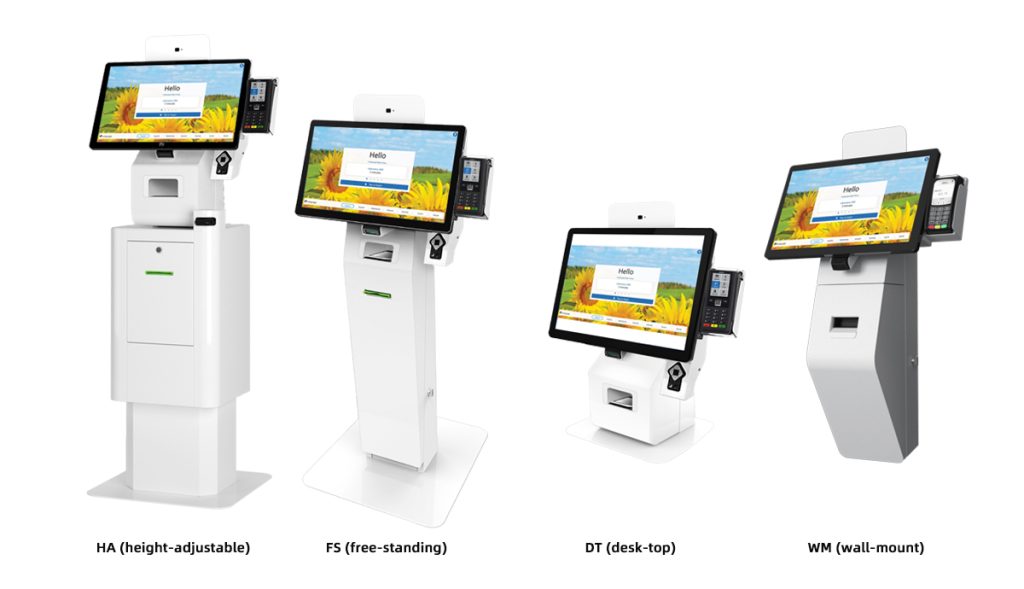
Key Features of High-Performance Patient Check-In Kiosks
To meet the unique needs of healthcare settings, top-tier patient check-in kiosks include:
·Multi-Modal Verification: Support for insurance card scanning, QR code check-in (from appointment confirmations), biometrics (fingerprint/face recognition), or manual ID entry—catering to different patient preferences.
·EHR Integration: Seamless connection to popular EHR systems (e.g., Epic, Cerner) to sync patient data in real time, ensuring doctors and nurses have the latest information.
·Accessible Design: ADA-compliant features (adjustable screen heights, screen readers for visually impaired patients, large text options) to serve patients with disabilities.
·Receipt & Badge Printing: Integrated thermal printers generate appointment receipts, wristbands (for inpatients), or visit summaries—critical for tracking patient flow and ensuring accurate care.
·Remote Management: Cloud-based software lets IT teams update kiosk software, fix bugs, or monitor device status (e.g., printer paper levels, internet connectivity) without on-site visits, minimizing downtime.
Real-World Impact: How Kiosks Transform Healthcare Settings
·Primary Care Clinics: A family medicine clinic in Chicago reduced check-in wait times by 65% after deploying 3 patient kiosks, with 89% of patients reporting higher satisfaction in post-visit surveys.
·Hospitals: A large urban hospital cut front-desk staff overtime by 30% by automating routine check-ins, redirecting 15+ hours weekly to patient care tasks.
·Specialty Centers: A dermatology clinic with 5 locations uses kiosks to standardize check-in across sites, ensuring consistent data entry and reducing insurance claim denials by 22%.
Conclusion
Healthcare patient check-in kiosks are more than a convenience—they’re a catalyst for delivering efficient, patient-focused care. By reducing wait times, easing staff burdens, and protecting sensitive data, these kiosks help clinics and hospitals operate more smoothly while improving the overall patient experience. For healthcare facilities looking to modernize their operations and meet the evolving expectations of patients, investing in a robust patient check-in kiosk system is a strategic, future-proof decision.